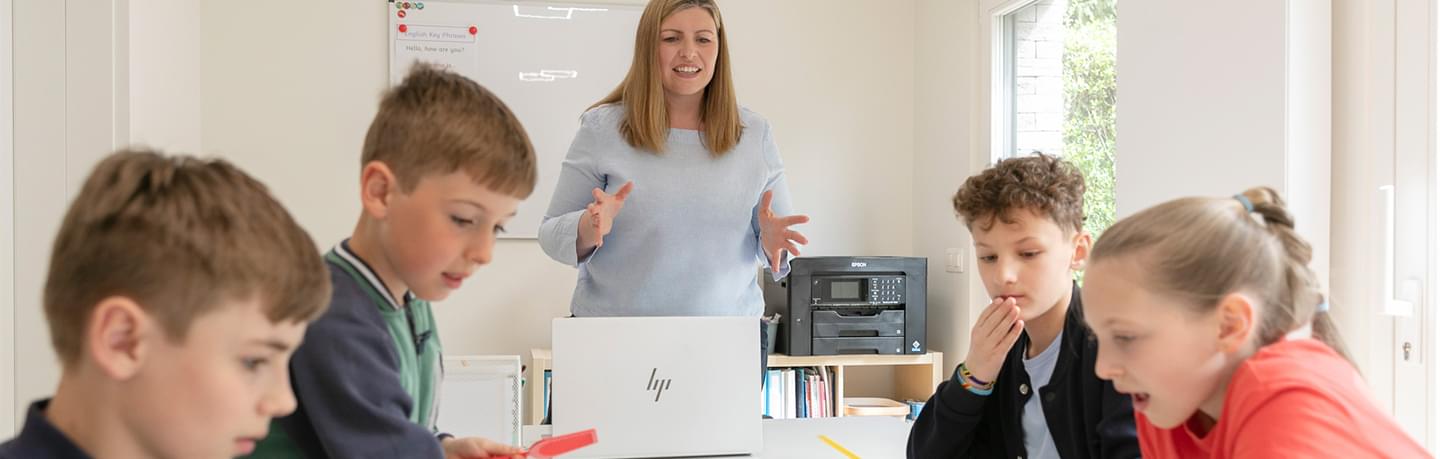
As time goes by, the relevance of English only increases

Whether it’s travelling abroad, studying in another country, making friends from around the world, or even chatting with other children while playing online games, being able to communicate in English creates countless opportunities.

As a parent, you probably recognize that English will play an important role in your child’s future.

Yet in Brussels, children often don’t begin learning English until much later, as schools naturally focus first on French and Dutch.

That means many miss out during the years when language learning comes most naturally.
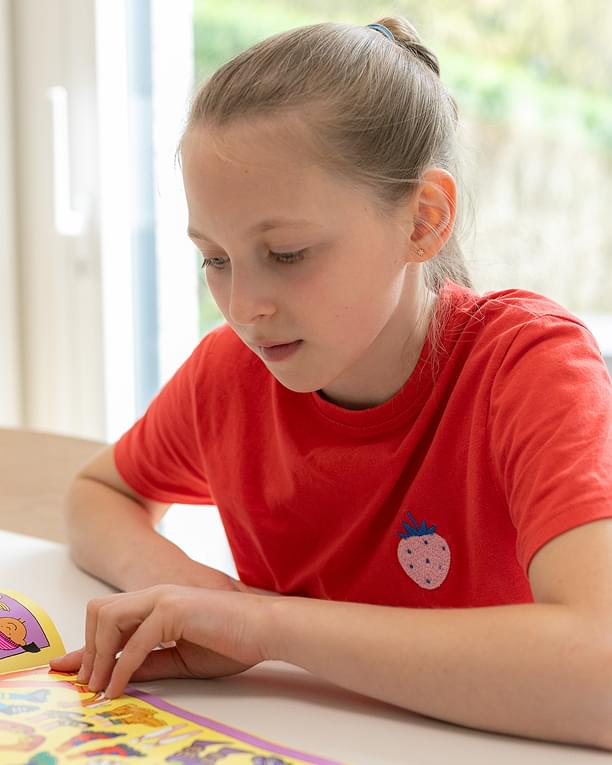
Early childhood is a wonderful time to start learning a new language. Young children aren’t afraid of making mistakes.

They learn through curiosity, play, songs, movement, and repetition, absorbing new words and expressions with remarkable ease. The earlier they begin, the more natural English becomes.

I also know how difficult it can be to find the right English course for young children.

Every child has their own personality and energy. One child’s excitement can quickly spread through the whole group, which is why teaching young learners requires far more than simply following a textbook. Lessons need to be flexible, engaging, and adapted to the way children naturally learn.

That’s exactly the approach I take.

I teach children very differently from adults. My lessons are full of movement, games, stories, songs, and meaningful communication, creating an environment where children learn naturally while having fun.

Before long, you’ll notice your child using English words at home, singing songs in English, and speaking with a confidence that grows from lesson to lesson.

Small Groups of No More Than 6 Children

Young children thrive in small groups, where they feel safe, seen, and encouraged to take part.

That’s why I keep my classes to a maximum of six children. A small group gives every child the chance to participate, receive individual attention, and learn at their own pace. It also creates a relaxed atmosphere where lessons feel more like playing together than sitting in a classroom.

Lessons That Follow the Children—Not a Fixed Plan

Children’s energy changes from one moment to the next, and great lessons should adapt to it accordingly.

When children feel like moving, we learn English through games, songs, dance, and active play. When they need a quieter moment, we switch to stories, creative activities, and tasks that encourage focus and curiosity.

By responding to the group rather than following a rigid lesson plan, I create an environment where children learn at their own pace—with confidence, enjoyment, and genuine enthusiasm.

Rather than expecting children to fit a rigid programme, I adapt every lesson to the children in front of me. That’s how young learners stay engaged and enjoy coming back week after week.

Learning Through Movement and Play

Young children don’t need grammar explanations in order to start speaking English. They learn the same way they learned their first language—by listening, moving, repeating, and having fun.

That’s why I use TPR (Total Physical Response), a teaching approach that combines language with movement, actions, dance, and play. We also use board games, card games, role-play, and other interactive activities that encourage children to use English naturally.

When learning feels like play, children participate enthusiastically, remember more, and begin using English without even realising they’re learning.

Activities That Grow with Your Child

Every age group learns differently.

A four-year-old and a six-year-old have different interests, different attention spans, and different ways of engaging with the world. That’s why I carefully adapt each lesson to the children’s age, maturity, and personality.

I pay close attention to what captures their imagination, what motivates them, and what they genuinely enjoy. By building lessons around their interests and developmental stage, English becomes something they look forward to—not something they’re expected to do.

Language Workshops

Children learn fastest when they are having fun and taking part in activities that feel meaningful and exciting to them.

That’s why I organise 2- or 3-hour group sessions in the form of language workshops. Each workshop has a different theme (for example LEGO, K-Pop, or St. Patrick’s Day), and children create, build, paint, play games, solve challenges, and explore new ideas—all in English.

These workshops are a wonderful way to build on a regular English course at Green Door, while giving children the opportunity to spend their free time in a creative, enjoyable, and enriching way.

They don’t just practise English—they experience it as a real tool for communication, creativity, and fun.

Contact

Contact me today and start learning English.

Go to Contact